Brand Reciprocity Framework · Identity
Identity: Not a Logo, Not a Mission Statement
In health and wellness, identity isn’t your logo. It’s whether your consumer sees themselves in your brand, and whether your brand sees them back.
By Amanda Williams, VP of Integrated Strategy

The short version
Identity is the exchange of values, worldview, and belonging between a brand and its consumer. It’s whether your consumer sees themselves in your brand, and whether your brand sees them back. Not your logo. Not your mission statement.
It’s the first connector in the Brand Reciprocity Framework, and it’s where preference starts.
Identity isn’t your logo
In health and wellness, nearly every brand claims to be “better for you.” Clean ingredients, credentialed practitioners, evidence-based protocols: those are table stakes now, not a reason to be chosen. So what makes a consumer pick you, and keep picking you, when a competitor matches your product and undercuts your price? Almost never the product. It’s identity.
Search “brand identity” and every result says the same thing: logos, color palettes, typography. That’s the visual surface, and when products have reached parity, the surface can’t carry the weight. A clean logo and a calming green palette look exactly like the clean logo and calming green palette three competitors already have.
Identity in the reciprocity sense works differently. It operates below product features and above mission statements. The exchange runs both ways: the brand gives a coherent point of view, who it’s for, what it believes, and what it refuses to be. The consumer gives alignment and belonging in return. When a brand’s values genuinely match a consumer’s own, they stop buying the product and start adopting the brand as part of how they see themselves.
The wellness monoculture
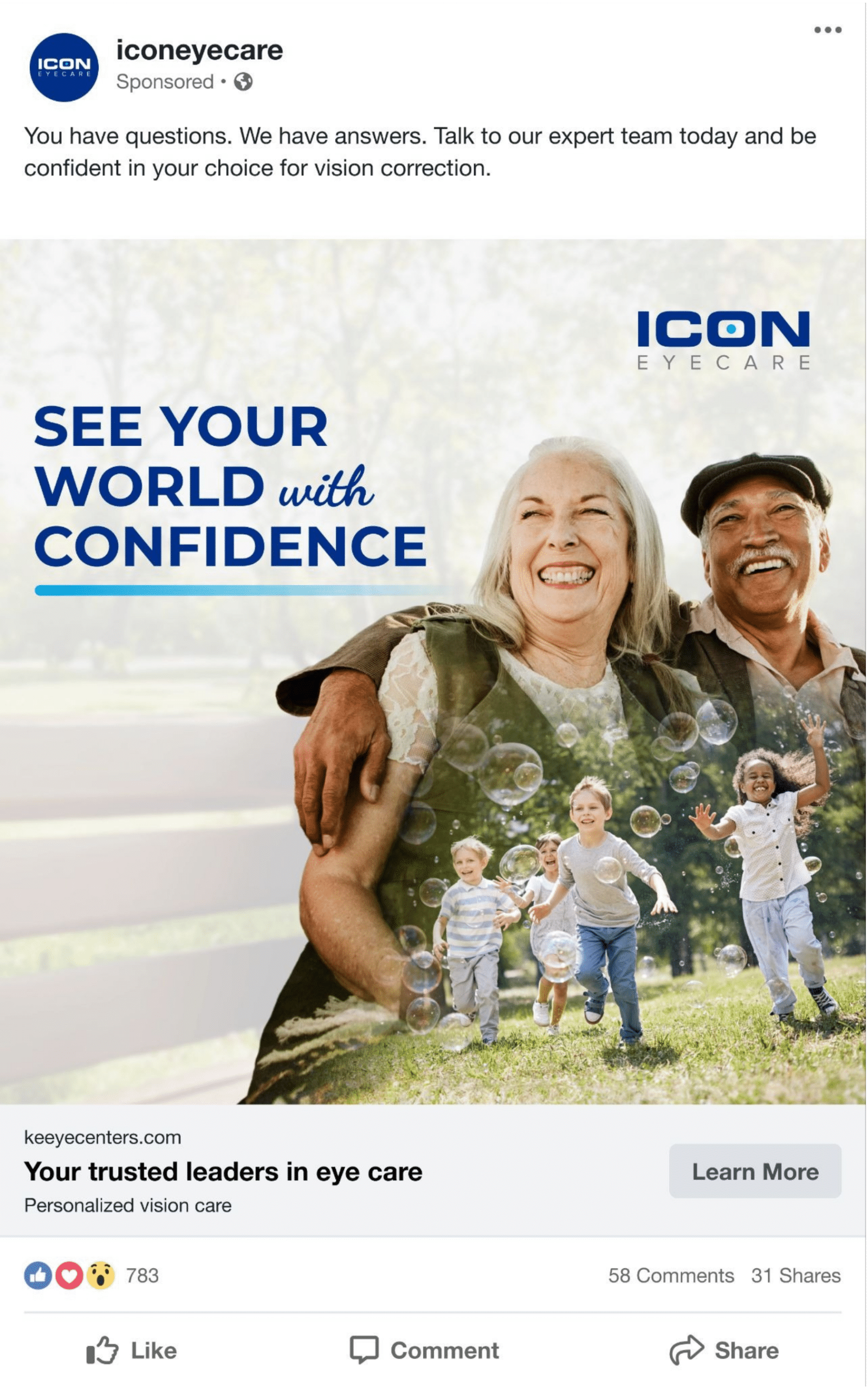
Different marks. Same calming greens. Nothing to choose between.
Why does identity decide preference in health and wellness?
Buying a supplement, a fitness program, or a mental wellness app is not like buying a laptop. The decision is personal. It reflects who someone is, who they want to become, and what they believe about their body and their future.
Source: Parallel Path Health and Wellness Consumer Study (n=1,859 U.S. consumers)
Consumers are building their own health identities from influencers, communities, and peers, and they trust the brands that reflect something real back to them. Earn that alignment and switching feels like betrayal. Earn none and you’re one better offer from losing them.
Identity is not a mission statement
A mission statement is a claim. Identity is a demonstrated reality. The gap between them is exactly what today’s consumer is trained to spot, and to walk away from.
A mission statement
A claim about what you intend. “We help people live healthier, more fulfilling lives.” The words are interchangeable, the photography is interchangeable, and at the mission level nothing is distinguishable.
Identity
A demonstrated reality. The accumulated evidence of what you actually stand for, who you’re for, and what you refuse to be.
Identity is specific. What a brand refuses to do is often more revealing than what it does. Who it speaks to, and quietly excludes, is more defining than its demographic. The communities it invests in, the positions it defends, the things it can credibly say that a competitor cannot: those are the building blocks. Not the tagline, the behavior.
What breaks without it
Without identity, every purchase decision is a re-evaluation from square one. The consumer has no anchor to your brand. They stay in rational comparison mode, weighing your price against the competitor’s, your claims against theirs, your reviews against theirs. You are always one better offer away from losing them.
A consumer who shares your brand’s identity doesn’t shop that way. Leaving carries a cost that has nothing to do with price: it means abandoning something that reflects who they are. That switching cost isn’t manufactured by a loyalty program or a subscription. It’s intrinsic, and it’s the difference between a customer who stays because leaving is inconvenient and one who stays because leaving would feel wrong.
The trap is projecting an identity you haven’t built. Consumers in this category sniff it out fast, and when the claim doesn’t match the behavior they feel misled in a way that feels personal.
What the consumer weighs
Without a strong identity
One better offer away.
With a strong identity
Leaving would feel wrong.
The diagnostic
If your product line disappeared tomorrow, would your best customers feel they’d lost something beyond utility?
If yes, the identity exchange is working, and you’ve built something genuinely hard to replicate. If they’d simply find the next comparable product at a slightly lower price, the exchange is weak, and something cheaper is always coming.
Identity is one of three connectors
Identity is the first connector, and the other two depend on it. Strong media reach without a clear identity puts consumers in front of a brand they can’t tell apart from its competitors: visibility without identity is expensive noise. A beautifully curated experience without identity is an efficient transaction engine that’s forgettable the moment it ends. Only identity gives them a reason to come back.
That’s the coherence requirement at the heart of the framework: the three connectors are interdependent. Invest in one and neglect the others, and you get diminishing returns at best and active confusion at worst.
The three connectors
The three are interdependent. See the full framework.
Where to start
Use the framework as a diagnostic lens, not a planning template. Before asking how to invest, ask which exchange is most broken. If it’s identity, start here:
- Get specific about one consumer, not a demographic. A person, with a worldview and something they’re trying to become.
- Define what your brand stands for, and what it refuses to do.
- Find what a competitor could not credibly say. That’s your differentiation, not your tagline.
It’s the core of our Strategy and Insights work.
Your logo is easy to copy. Your identity isn’t.
See where your brand stands →Frequently asked questions
Brand identity, mission statements, and how to build it.
Is brand identity just your logo?
No. Your logo and visual system are the surface. In the Brand Reciprocity Framework, identity is the exchange of values, worldview, and belonging between a brand and its consumer, which is what actually drives preference when products are at parity.
What’s the difference between brand identity and a mission statement?
A mission statement is a claim about what a brand intends. Identity is the demonstrated reality: the accumulated evidence of what a brand stands for, who it’s for, and what it refuses to do. Consumers trust the evidence, not the claim.
What’s the difference between brand identity and brand image?
Identity is what a brand intentionally stands for and exchanges with its consumer. Image is how consumers perceive it. When the two diverge, the gap reads as dishonesty, which is especially costly in health and wellness.
Why does identity matter more in health and wellness?
Because the decisions are personal. 89% of consumers say health is a top priority, so the brands they choose become an expression of who they are, which raises the reward for genuine alignment and the penalty for faking it.
How do you build brand identity in health and wellness?
Get specific about one consumer and what they believe, define what your brand stands for and refuses to do, and show it consistently across every decision, from product to customer service to what you post and what you won’t.