


Strategy for health and wellness brands that need more than assumptions.
We help brands understand their customers, sharpen their positioning, and build marketing strategies grounded in real consumer behavior.
Marketing strategy built from
consumer truth, not internal guesswork.
Our work helps brands understand their audience, define their opportunity, and translate that understanding into practical marketing decisions across brand, campaign, content, media, and customer experience.
Consumer insights and research
We help teams turn complex consumer behavior into real world insights inform better marketing decisions.
COMMON OUTPUTS
Insights generations, category assessments, audience segmentation, customer motivation studies, competitive reviews.
Personas and journey mapping
We build research-backed customer personas and journey maps that go beyond demographics and show how consumers make decisions.
COMMON OUTPUTS
Consumer research, personas, journey maps, decision-stage frameworks, messaging needs, activation guides.
Brand
strategy
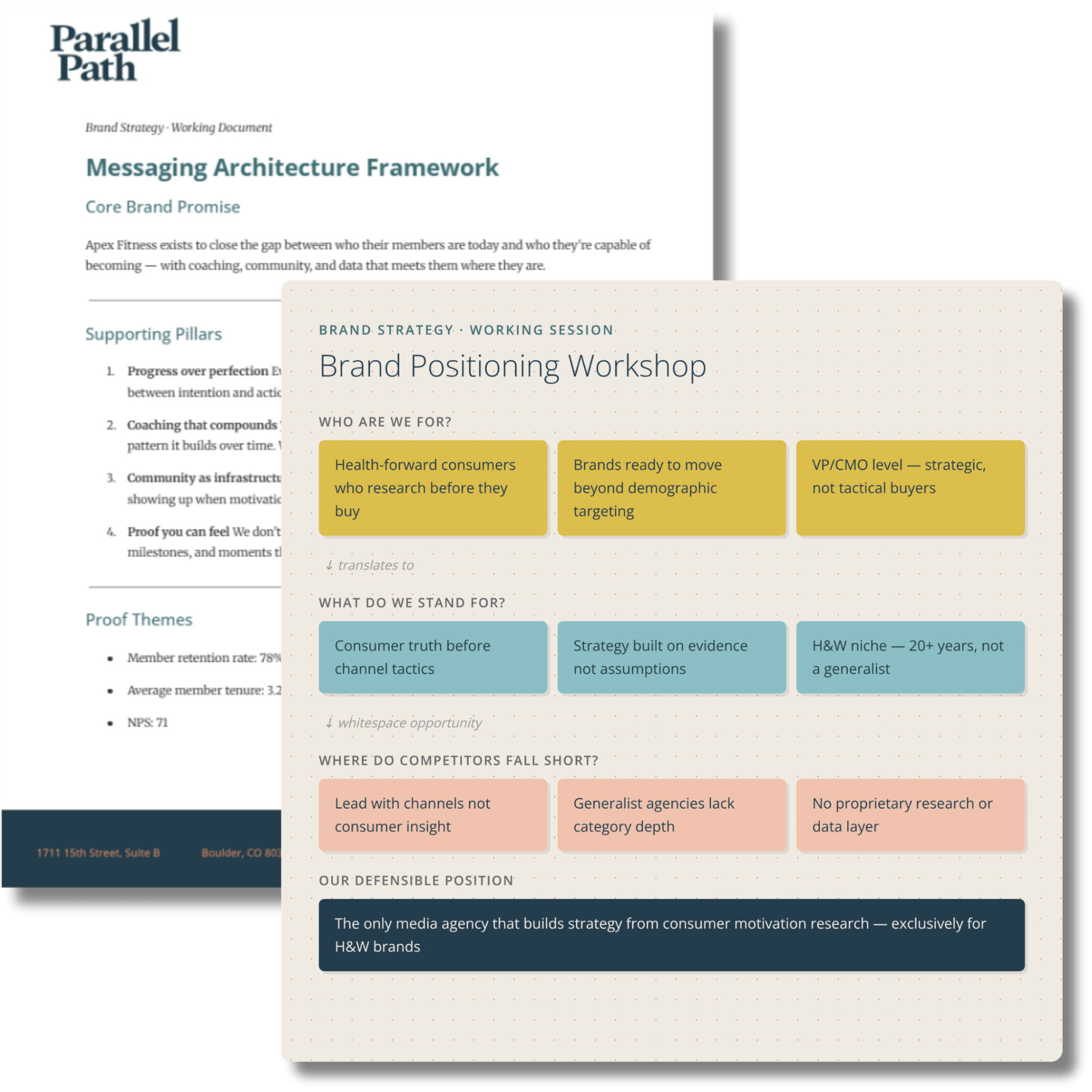
We help brands define what they stand for, how they are positioned, and why customers should choose them.
COMMON OUTPUTS
Positioning frameworks, messaging architecture, value propositions, brand narratives.
Marketing strategy
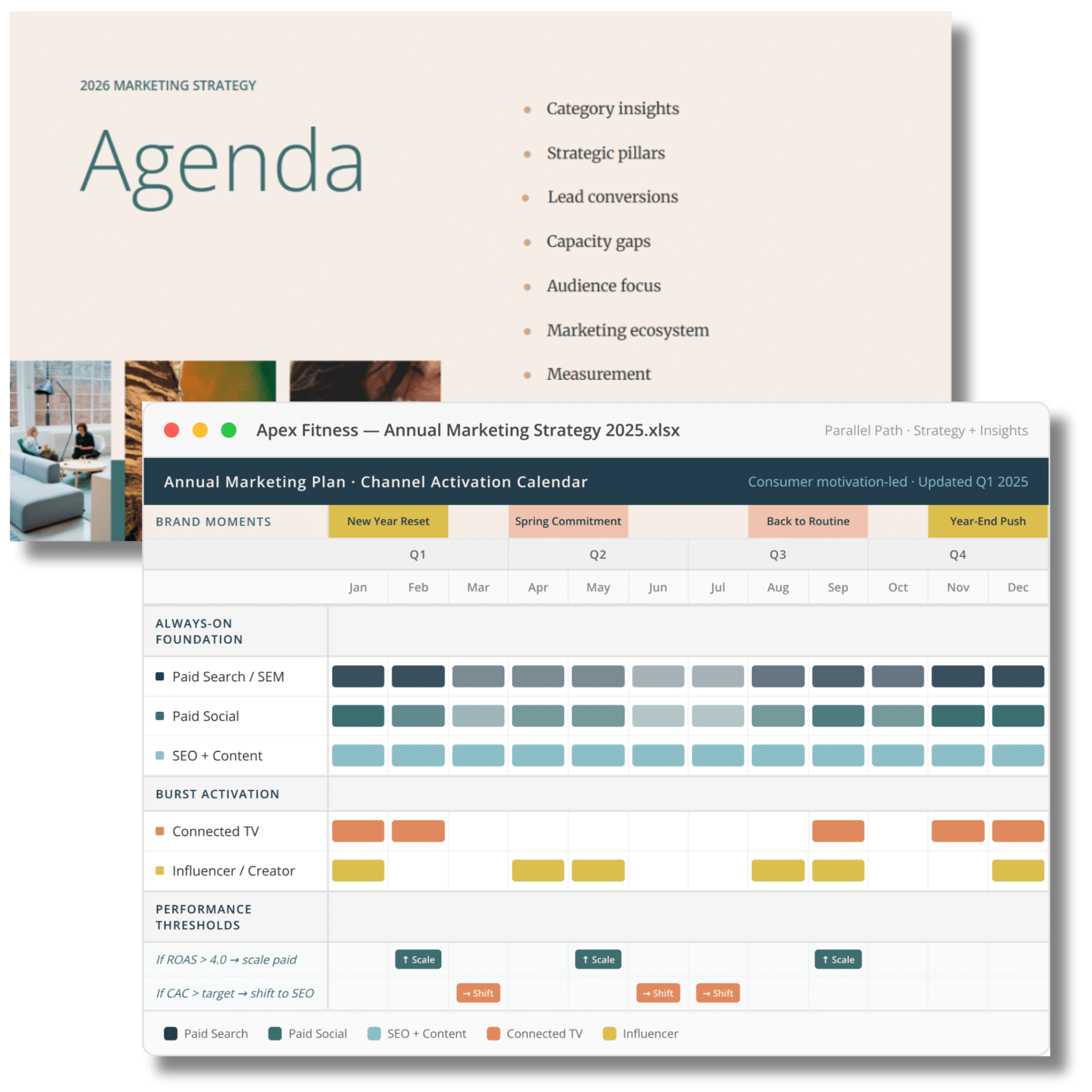
We help teams develop marketing support that delivers on business goals through clear objectives and prioritization.
COMMON OUTPUTS
Marketing roadmaps, annual plans, budget guidance, audience prioritization, go-to-market strategy.
Campaign strategy
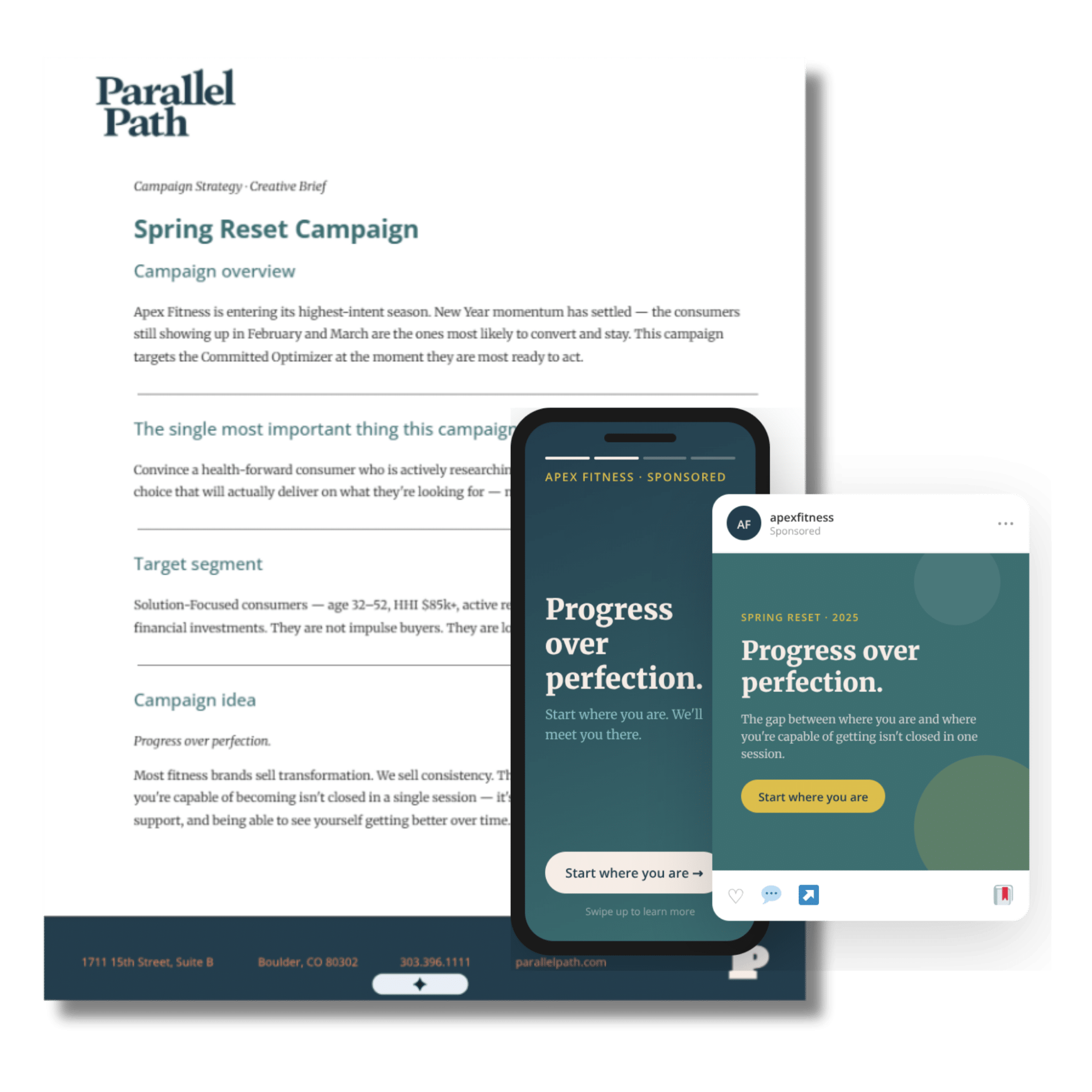
We turn business objectives into campaign ideas with a clear audience, insight, message, offer, and channel role.
COMMON OUTPUTS
Campaign briefs, creative strategy, messaging frameworks, launch plans, and learning agendas.
Content strategy
We build content systems that support search visibility, education, lead generation, engagement, and brand trust.
COMMON OUTPUTS
Content pillars, editorial calendars, SEO strategy, nurture strategy, paid and organic frameworks.
Evidence- based strategies
Our strategies and insights have helped drive performance improvements across a variety of health and wellness categories.

Increasing membership for a large chain of fitness centers
- 250% return on ad spend from geo-focused campaigns
- 36% increase in branded search query interest
Parallel Path built a playbook-based local marketing strategy that balanced a scalable national framework with the market-level nuance each location needed, giving Fitness Connection a model that grew with their footprint without starting from scratch in every new market.
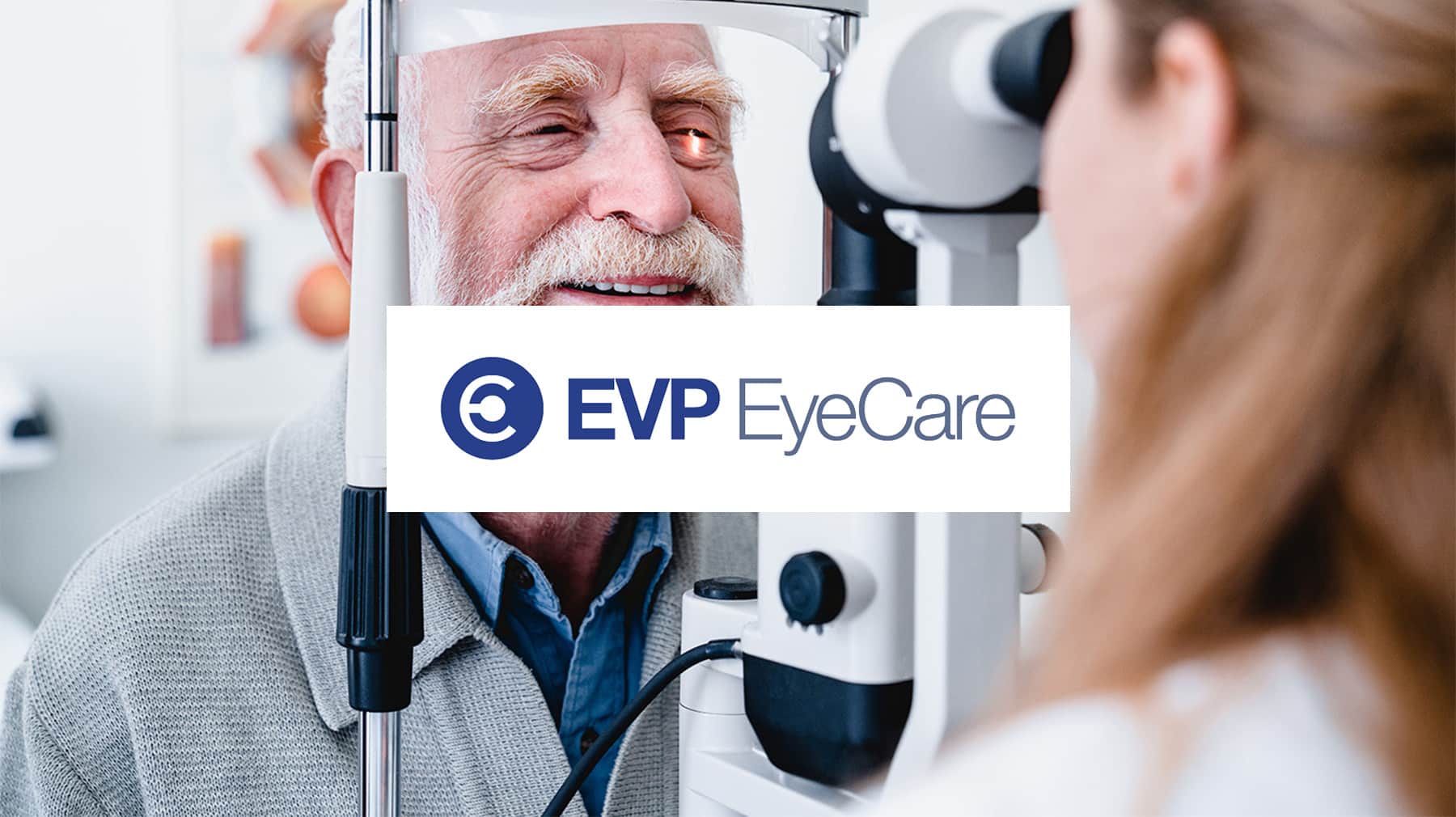
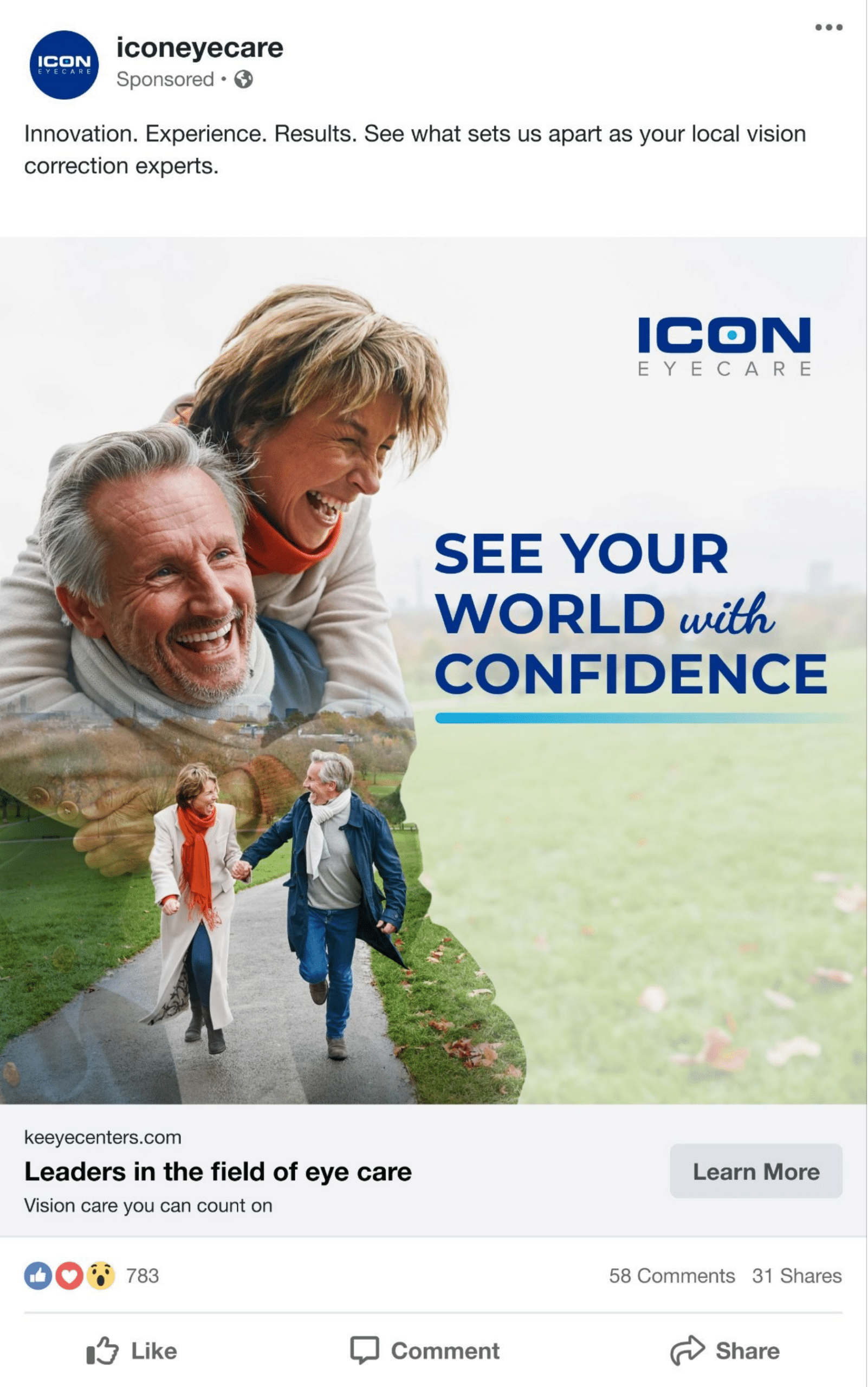
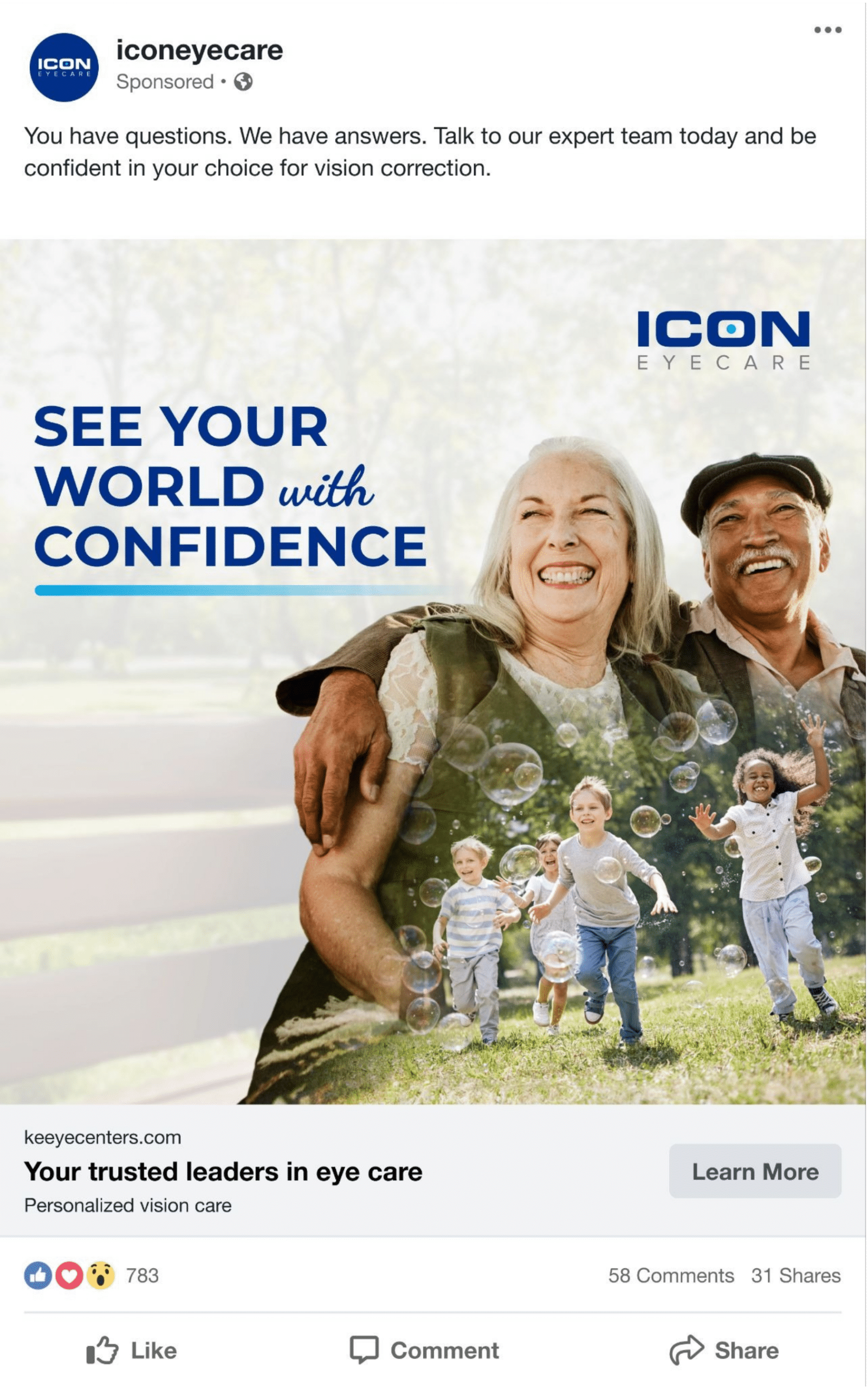
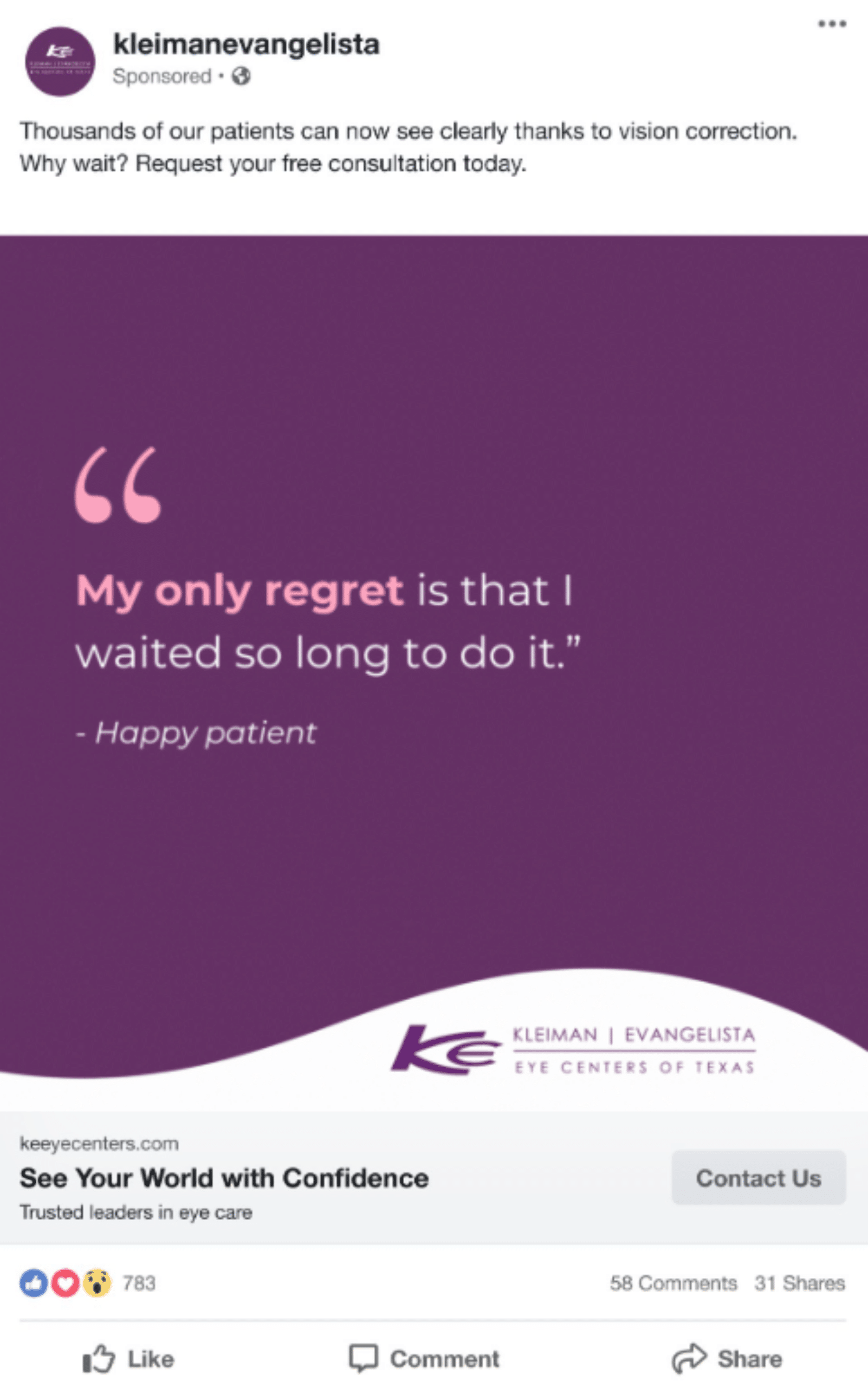
Growing a multi-location ophthalmology clinic with a new brand strategy
- 66% increase in prospective patient inquiries
- All-time high in branded search query interest
- 8% increase in YOY practice revenue growth
Parallel Path built a scalable marketing strategy around a single unifying brand proposition, “Better Vision for Fuller Lives”, that tied together EVP's disparate practice brands while giving each location the flexibility to remain locally relevant. Consumer research informed every strategic decision, from positioning to channel selection to how the patient journey was mapped and messaged across markets.
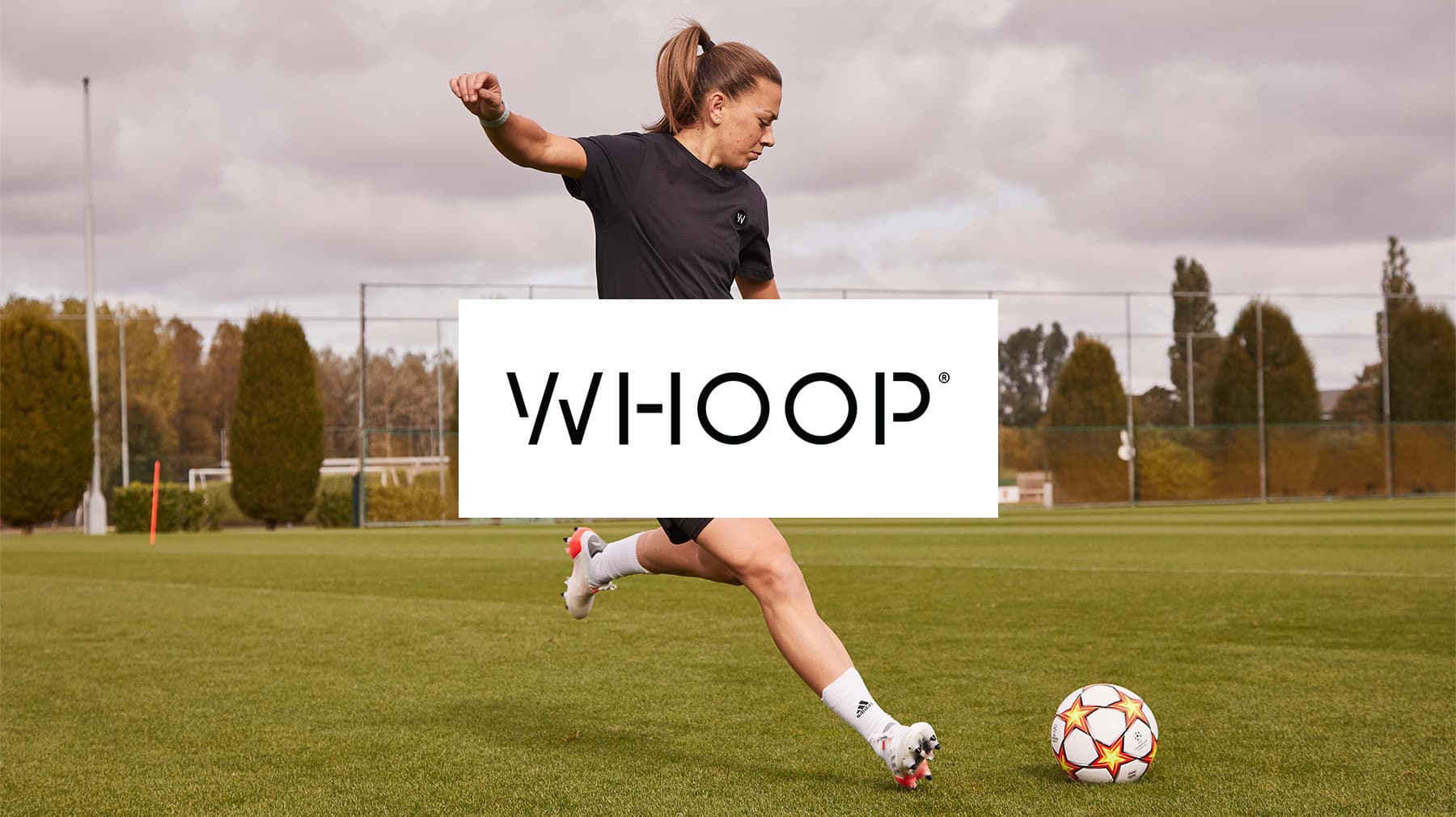
Taking a consumer fitness brand into institutional markets
- B2B market entry strategy built from primary research
- Buyer journeys and personas developed per target vertical
Parallel Path conducted research across WHOOP's target B2B markets, mapping the distinct buyer journeys, purchasing structures, and adoption concerns unique to each. The work surfaced what WHOOP needed to know before committing resources to any of them. Armed with that foundation, WHOOP built WHOOP Unite, a team performance platform purpose-built for institutional buyers.
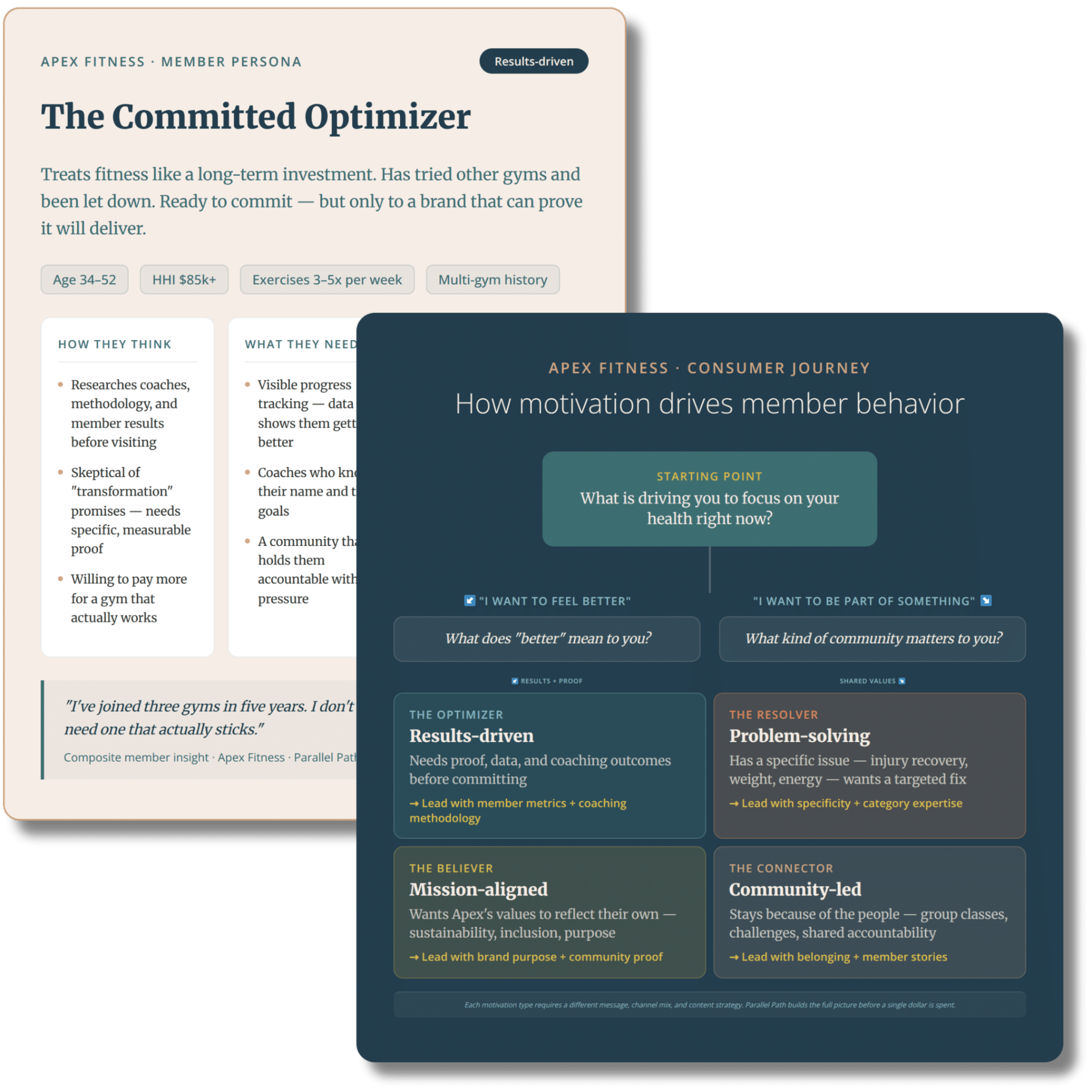
Original thinking, research, and tools built for health and wellness marketing.
The Brand Reciprocity Model
Our framework for understanding how health and wellness brands build stronger relationships through trust and preference.
Consumer Motivation Study
Independent research designed to understand the motivations shaping consumer decisions across health and wellness.
SideCountry AI Studio
Our AI-supported strategy and execution studio for analysis, content planning, campaign development, and efficient activation.
Most marketing strategies start too far downstream.
By the time a campaign reaches media planning, creative development, or performance reporting, many of the most important decisions have already been made. The audience has been defined. The message has been chosen. The channel mix has been approved. The brief has been written.
If those decisions are built on weak assumptions, every downstream tactic has to work harder than it should.
Assumption
We think we know who the target customer is and what they are looking for in the marketplace.
Misalignment
Creative, content, media, and measurement start solving slightly different problems.
Waste
Budget goes toward activity that may be visible, but not necessarily useful.
Clarity
Insight gives every decision a job, a reason, and a cleaner way to prove progress.
Personas and journey modeling
Which channels does my consumer actually use?
Why is my marketing underperforming?
What do customers actually need from our brand?
Health and wellness consumers research more thoroughly, decide more carefully, and switch more deliberately than consumers in almost any other category. When the strategic assumptions underneath your marketing are wrong performance drops in ways that are genuinely hard to diagnose.
We build personas and journey maps from motivation research and audience intelligence. The output gives your team a clear picture of what drives your specific consumer at each stage, so every downstream decision has a rationale behind it instead of an assumption underneath it.
Brand strategy
Why do consumers choose competitors over us?
How do we create differentiation in our category?
What experiences will impact our consumer?
In health and wellness, every competitor can match your product, replicate your service model, and undercut your price. What they cannot replicate is the meaning your brand holds in your consumer’s mind.
We build positioning frameworks, messaging architecture, and longterm brand roadmaps that give you something worth owning, genuine preference with your consumers.
Marketing strategy
How much should our brand invest in paid media?
What is the right channel mix to grow awareness?
Is my budget is allocated correctly across the funnel?
A marketing budget is a strategic investment in the future of your brand. We often see the brands that grow efficiently are not always the ones spending the most. They are the ones who know what to invest in first, how much paid channel investment is actually required to hit a specific growth target, and what measurement infrastructure needs to be in place before the spending begins.
We know where most health and wellness brands leave performance on the table which is why we build measurement into the strategy from the start, so there is no scramble to justify spend after the fact.
Better insights lead to better business decisions.
Some agencies stop at research. Others jump straight to execution. Parallel Path works in the space between insight and activation.
We study your customer, your category, your business goals, and your current marketing system. Then we turn that into recommendations your team can actually use.
Health & Wellness Industries Served
Fitness & Recovery
Nutrition, Vitamins & Supplements
Specialty Clinical
Sleep & Recovery
Pet Health & Wellness
Women’s Health
Hospitals & Health Systems
Mental Wellness
Consumer Health Technology
Healthy Dining
Personal Care & Beauty
Functional Health
Longevity & Preventative Wellness
Wellness Tourism
- and more…
Campaign strategy
What makes a campaign break through?
How do we build a campaign that works across channels?
What is the difference between a campaign concept and a collection of ads?
A campaign without a real idea is just a media plan with creative attached. It doesn’t break through. And in health and wellness, where consumers are skeptical of anything that feels manufactured, a campaign that doesn’t feel true to your brand can do more damage than no campaign at all.
Campaign strategy is combines a strong creative idea with a strategic plan that connects the campaign to what your consumer actually cares about.
Consumer insights & research
What drives purchase decisions for our consumer?
How do we confirm our audience assumptions?
What does my consumer expect from a brand like mine?
Most marketing decisions in health and wellness are made on assumptions that were never tested. Which messages will resonate. Which segments are worth prioritizing. What the consumer actually needs versus what the brand thinks they need.
We help health and wellness teams move beyond basic demographic profiles to motivation and psychographic research that explains why they decide and what it would take for your brand to earn a genuine place in their life.
When you know what actually drives your consumer, everything downstream gets sharper.
Content strategy
How can we improve our rank in AI-powered search?
What kind of content actually builds brand authority?
How do I develop content that drives engagement?
Content without a strategy is the most expensive form of marketing inertia there is. Blog posts that don’t rank. Resources nobody finds. Content created for whoever asked for it most recently, with no clear view of what it is supposed to do for your business.
We build content strategies that connect traditional search visibility, AI search eligibility, customer education, and brand storytelling into a single coherent, repeatable program.
Is your brand building consumer relationships?
The Brand Reciprocity assessment scores your brand across three connectors: Shared Identity, Curated Experiences, and Intentional Connections. It tells you which stage you’re in and what to fix first.
12 questions. A specific score, a personalized diagnostic, and a prioritized action plan. No pitch.
common questions
What health and wellness marketers ask us most
Healthcare marketing differs from general marketing because health and wellness consumers make high-stakes decisions on longer timescales, within a regulatory environment that shapes every tactical and measurement decision an organization makes.
HIPAA compliance is not a legal checkbox. It is a strategic constraint that has to be built into your measurement architecture from the start, or it becomes an expensive problem after the fact.
An agency that understands healthcare marketing has to understand both sides of that equation: how the consumer decides, and how the organization operates within the rules that govern the category.
Health and wellness consumers do not make decisions the way most marketing models assume. Demographics explain who they are. Motivations explain why they decide, and in this category, motivation is the variable that determines which brands break through and which ones get ignored.
Parallel Path commissioned an independent research firm to study 1,859 health and wellness consumers and identify the motivational segments that govern purchase behavior in this category. The study identified four distinct segments, each driven by different underlying motivations, with different implications for how brands should position themselves, which messages resonate, and which channels reach each segment most effectively.
Understanding which segment your consumer belongs to changes how you build strategy, how you brief creative, and how you allocate budget across channels.
A generalist agency can run your channels. A specialized agency understands why your consumer decides and builds everything around that understanding. In health and wellness, the gap between those two approaches shows up directly in performance.
Consumer motivations in this category are nuanced, the regulatory and operational context is specific, and expectations of health and wellness brands are higher than in most other categories.
An agency that works exclusively in this space brings category fluency that improves every strategic decision, from positioning to channel selection to how performance is measured and reported.
At Parallel Path, every strategy engagement starts with consumer research and a diagnostic of your current marketing performance before any recommendations are made. From there, we develop a strategic framework that covers brand positioning, audience segmentation, channel priorities, and a local execution model if you operate across multiple markets.
The output is not a presentation that lives in a folder. It is a working document your internal team can execute against, with a measurement framework built in from the start. Most engagements move from discovery to strategic framework within 60 to 90 days, depending on research scope.
A local marketing strategy is the framework that determines how a brand shows up in individual markets, adapting national brand direction to the specific consumer behaviors, competitive dynamics, and operational realities of each location.
For health and wellness brands operating across multiple markets, it is often the difference between a location that performs and one that doesn’t. A national campaign creates awareness. A local marketing strategy converts that awareness into visits, appointments, memberships, and transactions at the location level where revenue is generated.
A brand with no physical locations needs a strategy that performs in one digital environment. A multi-location brand needs a strategy that performs consistently across many markets simultaneously, each with its own consumer profile, competitive landscape, and operational reality. That is a categorically different problem.
The strategy has to establish enough consistency to protect brand integrity and enable efficient execution at scale, while building in enough flexibility for each location to be locally relevant. It also has to account for the operational reality that marketing activity at the location level has to align with what each location can absorb and deliver.
A strategy that drives more demand than a location can handle is not a success. Building that balance into the framework from the start, rather than discovering the tension after launch, is what separates a multi-location marketing strategy from a national campaign with local targeting.
Most marketing strategies fail the measurement test not because the results aren’t there, but because the measurement framework was never connected to the right outcomes in the first place.
If your reporting shows channel metrics (impressions, clicks, cost per lead) but cannot clearly connect marketing activity to appointments booked, members acquired, or store traffic driven, you don’t have a measurement problem. You have a strategy problem.
The fix starts with defining the business outcomes that matter to your leadership team and building the measurement architecture backward from there before a single campaign goes live.
Take The First Step
Guidance for good.
At Parallel Path, we combine the thoughtfulness of a consultancy with the agility and execution power of a marketing agency.
Together, we’ll craft the strategy and content you and your brand need to tell your story and succeed.